Deals
Fashion Sale Timing Guide: When to Buy, Wait, or Skip
A discount-aware buying guide for shoppers who want sale value without ending up with the wrong size or non-returnable stock.
The best sale buy is not the deepest discount; it is the item you would still keep at full price if the size, fabric, and return terms are right. Sale timing starts with a simple question: would this piece solve the same wardrobe problem if the crossed-out price were not on the page? If the answer depends entirely on the percentage, wait.
Fabian Lovely is reader-supported and independent. For this guide we checked live product pages, sale pages, return pages, and visible garment details on July 4, 2026, then framed the advice around discount quality rather than urgency. We do not claim wear testing here; the scope is product-page evidence and risk assessment. Read more about the team on our about page and how affiliate links are handled in our editorial policy. For adjacent buying decisions, use our organic cotton T-shirt guide, Passenger Clothing review, soft blazer shortlist, and PANGAIA vs Community Clothing comparison.
Quick Verdict
Buy when the garment fills a known gap, the size is still plausible, and the return policy remains workable after markdown. Wait when the item is seasonal, the size grid still looks deep, or the brand often improves discounts later in the cycle. Skip when the page creates urgency but gives poor fabric detail, weak sizing support, or final-sale terms that would make a wrong fit expensive.
Source Base and Method
We separate sale evidence into three layers: product facts, retailer terms, and timing risk.
Sources used for this guide include Passenger Women's Explore T-Shirt - Pale Yellow, Passenger Kodiak Sherpa Lined Cord Overshirt - Stone, Nobody's Child Black Pintuck Ponte Kick Flare Trousers, passenger-clothing.com, hush-uk.com, communityclothing.co.uk, pangaia.com. For sale timing, official pages are the anchor because they show whether the reduced item is still returnable, which sizes are left, and whether care notes make the discount practical. Sale roundups are useful for pattern-spotting, but they should sit below the live return policy and the garment page when money is about to leave your account.
Comparison Notes
The table below is not a ranking; it shows three different sale-risk patterns a shopper should recognize.
| Brand | Product checked | Price signal | Why it matters |
|---|---|---|---|
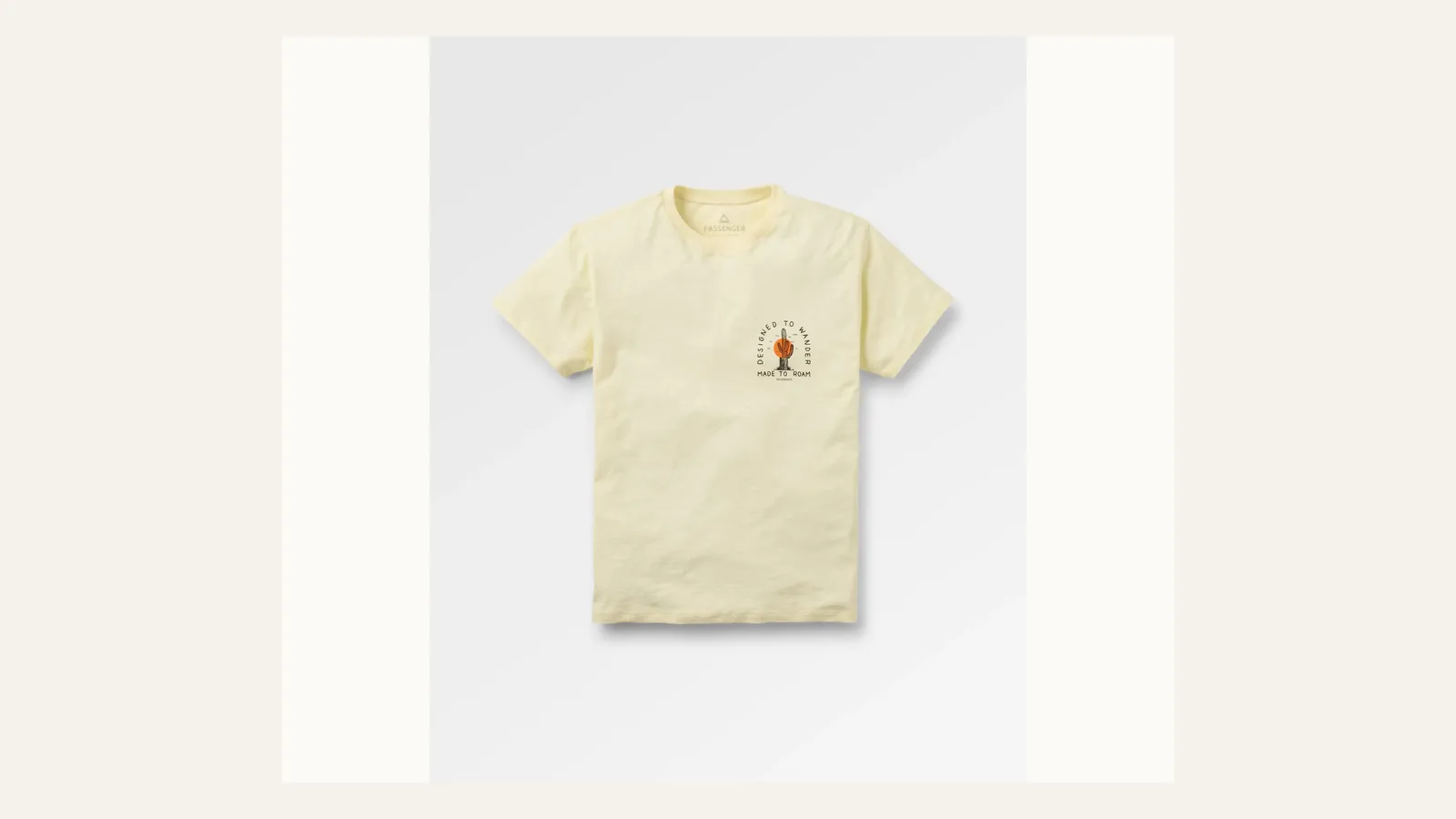
| Passenger | Women's Explore T-Shirt - Pale Yellow | GBP 11.18 at the time checked | seasonal tee that often appears in sale-led stock |
| Passenger | Kodiak Sherpa Lined Cord Overshirt - Stone | GBP 43.98 at the time checked | warm cord overshirt for casual layering |
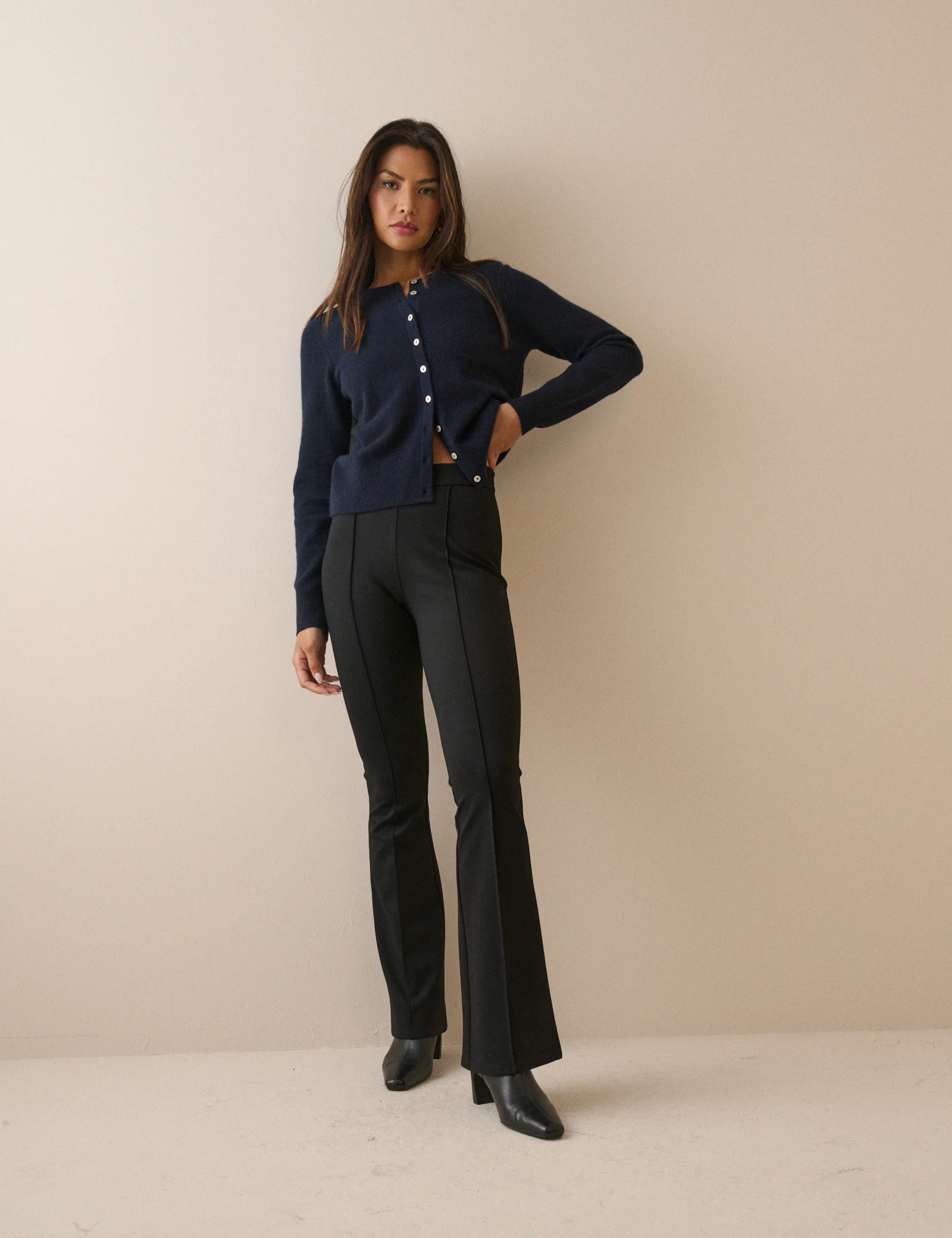
| Nobody's Child | Black Pintuck Ponte Kick Flare Trousers | GBP 59 at the time checked | ponte trouser useful for sale-timing and return-risk discussion |

Product Notes
Passenger: Women's Explore T-Shirt - Pale Yellow
Women's Explore T-Shirt - Pale Yellow is included because a reduced tee is the kind of sale item where low price can hide colour and repeat-wear risk. Use this tee as a low-risk way to test whether the brand cut works before buying heavier sale pieces. GBP 11.18 at the time checked. For this sale guide, score it by discount quality, return safety, and whether the item still makes sense when the sale banner disappears.
Passenger: Kodiak Sherpa Lined Cord Overshirt - Stone
Role note: this is the higher-fit-risk sale layer because warmth and bulk matter. Kodiak Sherpa Lined Cord Overshirt - Stone is included because heavier overshirts often look tempting in markdowns but carry higher fit and storage risk. Check size availability twice, because sale value falls fast when only awkward sizes remain. GBP 43.98 at the time checked. For this sale guide, score it by discount quality, return safety, and whether the item still makes sense when the sale banner disappears.
Nobody's Child: Black Pintuck Ponte Kick Flare Trousers
Black Pintuck Ponte Kick Flare Trousers is included because ponte trouser useful for sale-timing and return-risk discussion. Read the fabric and care notes before assuming a polished sale photo means an easy everyday trouser. GBP 59 at the time checked. For this sale guide, score it by discount quality, return safety, and whether the item still makes sense when the sale banner disappears.
Fit and Fabric Checks Before Checkout
For sale shopping, the hardest measurement to fix should lead the decision. A tee can usually tolerate a little extra ease, but a ponte trouser, overshirt, or blazer needs the rise, shoulder, sleeve, or hip fit to be right before the discount matters. If the product page gives garment measurements, compare them with something you already wear on repeat. If it gives only body measurements, treat the order as higher risk and keep it small.
The second check is whether the reduced item is discounted for a reason that will also bother you. Pale colours can show wear quickly, heavy overshirts can be bulky to store, and trend-led cuts may need shoes you do not own. Good sale value usually looks boring at first: a colour that already fits your wardrobe, a fabric you know how to wash, and a shape that does not require alterations to become useful.
For final-sale or low-return windows, do a decision rehearsal before checkout. Name the first three outfits, the first day you would wear it, and the older garment it would replace. If you cannot answer those without inventing a new wardrobe around the item, the sale is doing too much of the persuasion.
Price, Returns, and Sale Risk
A sale price is useful only after fit risk, return friction, and replacement value have been priced in. The Passenger tee is the lowest-risk example here because the cost is modest and the garment role is simple; the Kodiak overshirt asks for more caution because bulk, warmth, and layering fit matter; the Nobody's Child trouser needs the most measurement attention because ponte trousers can look polished only when the rise and hem are right.
Do not average the discount across a basket. A cheap tee does not make a risky trouser safer, and an expensive overshirt does not justify adding a colour you would never buy alone. If the retailer charges for returns, excludes sale stock, or leaves care details vague, subtract that friction from the apparent saving. The strongest sale buy is the one that still feels sensible 24 hours after the timer expires.
Use final markdowns mainly for repeat purchases, familiar silhouettes, or low-alteration basics. Use early sale periods for pieces where your size is likely to vanish. Use full price only when timing matters more than the discount, such as a trip, work event, or replacement item you already know you need.
Who Should Buy This
This guide is for shoppers who already know they want better sale discipline, not a list of deals to chase blindly. It works best if you are comparing a small number of specific garments and want to decide whether to buy now, wait, or close the tab. It is also useful if your past sale mistakes came from final-sale terms, wrong sizes, or colours that looked exciting online and awkward at home.
It is less useful if you need a garment urgently and your size is already scarce; in that case, return safety and delivery reliability may beat the hope of a deeper markdown. It is also not a substitute for checking live stock, because sale pages change quickly. Treat this as a risk filter: the product still has to pass your own fit, fabric, and outfit checks before any price looks good.
Checkout Checklist
- Name the exact gap the item fills before looking at the discount.
- Check whether sale, outlet, or final-sale items follow different return rules.
- Compare the key garment measurement with something you already own.
- Look for care instructions that match your real laundry habits.
- Pause on colours or prints that need new shoes, jackets, or accessories to work.
If two pieces pass these checks, buy the one with lower return friction first. A smaller, reversible order gives you more useful information than a large sale basket that has to be justified after it arrives.
Sale Decision Scenarios
If the item is a replacement basic, the best time to buy is usually before the deepest discount. Core sizes disappear first, and the cost of waiting can be a worse colour, a less useful size, or no returnable stock. A reduced tee or everyday trouser is worth buying earlier when you already know the brand and the garment would be worn immediately.
If the item is seasonal or trend-led, wait longer and demand a larger discount. Overshirts, bright colours, novelty prints, and occasion pieces often feel urgent because the page is designed that way, but they have to survive the same wardrobe test as full-price clothing. A colour that needs three new outfits is not cheap; it is a styling project with a lower entry price.
If the item is final sale, treat the saving as payment for taking on the retailer's risk. That can be acceptable for a repeat tee in a known size. It is rarely sensible for trousers, tailored layers, or garments where the official page gives limited measurements. When the return policy becomes narrow, your confidence needs to become much higher.
The cleanest rule is this: buy known shapes early, wait on optional colours, and skip anything whose strongest argument is scarcity. A good sale strategy should leave you with fewer regrettable parcels, not more reasons to justify a crowded wardrobe.
FAQ
When are fashion sales usually strongest?
End-of-season and mid-season events tend to produce bigger reductions, but the best sizes often disappear before the deepest markdown. Track the garment, not only the event.
Is final sale worth it?
Only if you already know the brand's fit and the garment has low alteration risk. Final sale trousers, jackets, and shoes are much riskier than relaxed tees.
Should I buy multiple sizes in a sale?
Only when returns remain easy and affordable. Multi-size ordering can become expensive if a retailer charges for returns or excludes discounted items.
How do I know a discount is real?
Compare the current price with the brand's normal price band, not a crossed-out number alone. If you would not wear it next month, the saving is theoretical.
When are fashion sales usually strongest?
End-of-season and mid-season events tend to produce bigger reductions, but the best sizes often disappear before the deepest markdown. Track the garment, not only the event.
Is final sale worth it?
Only if you already know the brand's fit and the garment has low alteration risk. Final sale trousers, jackets, and shoes are much riskier than relaxed tees.
Should I buy multiple sizes in a sale?
Only when returns remain easy and affordable. Multi-size ordering can become expensive if a retailer charges for returns or excludes discounted items.
How do I know a discount is real?
Compare the current price with the brand's normal price band, not a crossed-out number alone. If you would not wear it next month, the saving is theoretical.