Top Picks
Best Soft Blazers for Fit, Movement, and Daily Wear
A fit-led shortlist of soft blazers and relaxed tailoring for shoppers who want polish without stiff shoulders.
A soft blazer should make a normal outfit look sharper without making your shoulders feel trapped. The best options are not just less formal suit jackets; they are layers that keep shape, move at a desk, and still look intentional with denim, wide-leg trousers, or a plain tee.
Fabian Lovely is reader-supported and independent. This shortlist uses official product pages, sizing guidance, fabric details, and return context checked on July 4, 2026; it does not claim in-person tailoring or long-term wear testing. The team background is on our about page, and our editorial policy explains how blazer coverage stays separate from affiliate revenue. For related outfit decisions, read our wide-leg trouser fit guide, travel capsule wardrobe guide, fashion sale timing guide, and organic cotton T-shirt guide.
Quick Verdict
Start with shoulder movement and fabric recovery, then use return terms to decide whether the blazer is safe to trial at home. Saint and Sofia is the accessible polished route in this shortlist; Baukjen is the quieter premium option. Skip any blazer that looks good only while standing still in a product photo.
Source Base and Method
The source pass treats tailoring photos as a starting point, then looks for fabric, lining, and return evidence.
Sources used for this guide include Saint and Sofia Cambridge Blazer - Black Pinstripe, Saint and Sofia Cambridge Blazer Crepe - Beige, Baukjen Eugenie Wool Blend Tailored Blazer, marksandspencer.com, hush-uk.com, marksandspencer.com. For soft blazers, official garment pages are vital because small differences in lining, shoulder shape, sleeve pitch, and fabric recovery change the whole outcome. Style photos can show polish, but the better evidence is whether the blazer can move, sit, and return to shape after a normal workday.
Comparison Notes
The table separates accessible soft tailoring from the quieter premium option before fit checks.
| Brand | Product checked | Price signal | Why it matters |
|---|---|---|---|
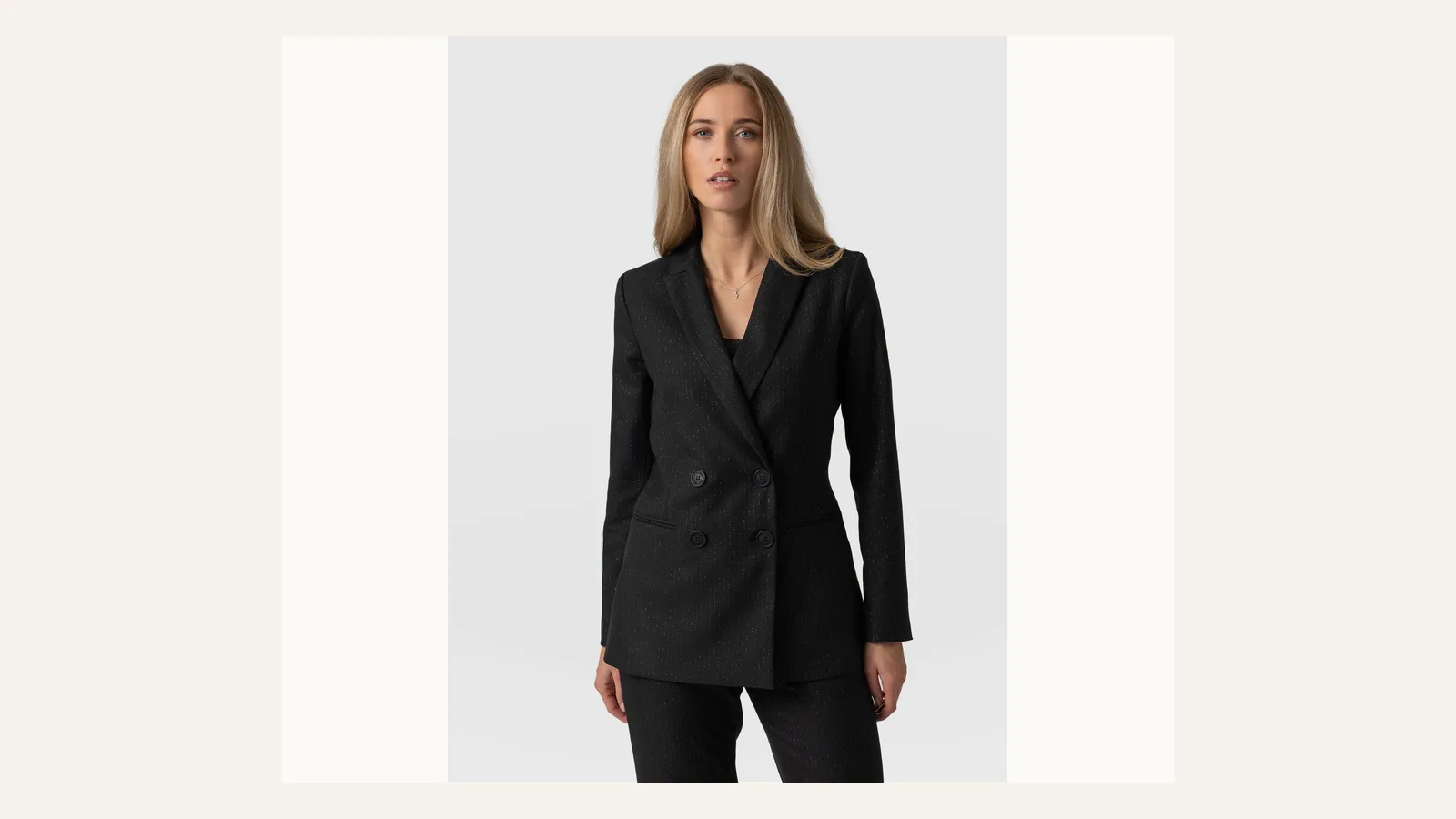
| Saint and Sofia | Cambridge Blazer - Black Pinstripe | Around GBP 129 at the time checked | soft structure, pinstripe finish, and a sharper workwear line |
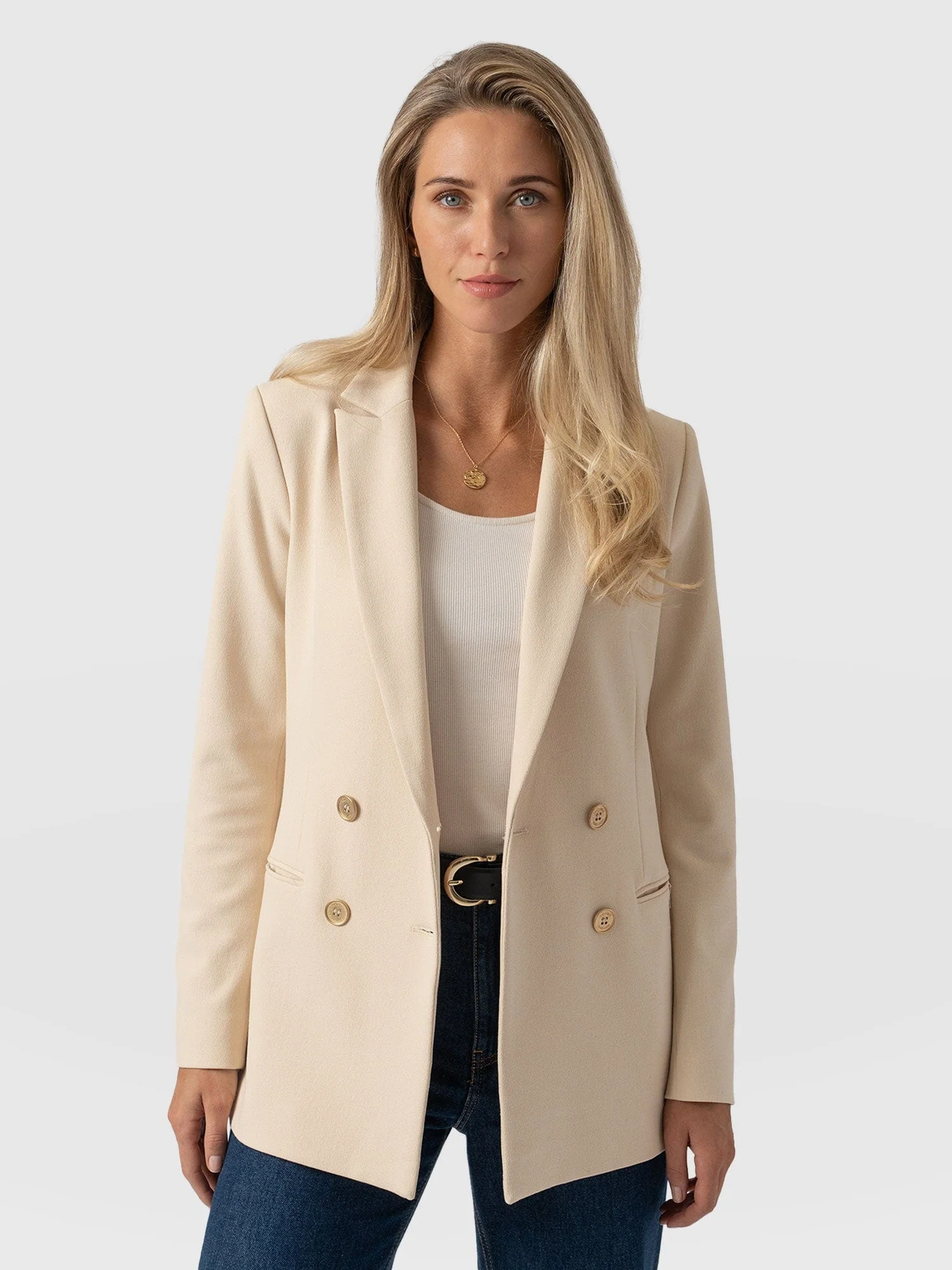
| Saint and Sofia | Cambridge Blazer Crepe - Beige | Around GBP 129 at the time checked | lighter crepe feel for smart casual outfits |
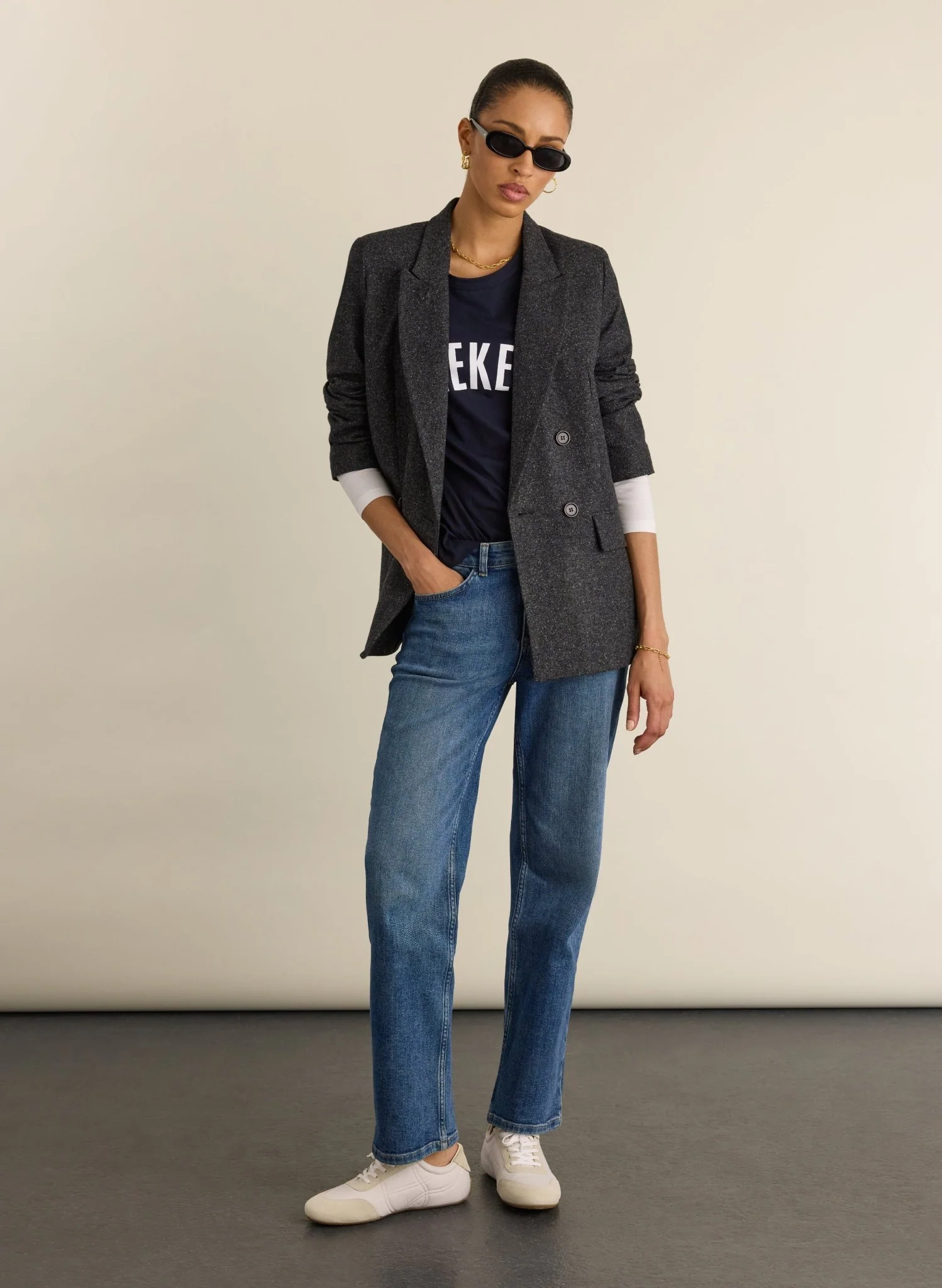
| Baukjen | Eugenie Wool Blend Tailored Blazer | Premium price band; confirm local currency before buying | premium wool-blend tailoring with a more investment-led price band |
Product Notes
Saint and Sofia: Cambridge Blazer - Black Pinstripe
Cambridge Blazer - Black Pinstripe is included because soft structure, pinstripe finish, and a sharper workwear line. Use the pinstripe Cambridge as the sharper benchmark, especially if you need the blazer to work with trousers and a plain tee. Around GBP 129 at the time checked. For this blazer shortlist, score each option by shoulder movement, fabric recovery, sleeve pitch, lining comfort, and return safety.
Saint and Sofia: Cambridge Blazer Crepe - Beige
Cambridge Blazer Crepe - Beige is included because lighter crepe feel for smart casual outfits. Check size and sleeve availability because a soft blazer can still look wrong if the shoulder is borrowed from the wrong size. Around GBP 129 at the time checked. For this blazer shortlist, score each option by shoulder movement, fabric recovery, sleeve pitch, lining comfort, and return safety.
Baukjen: Eugenie Wool Blend Tailored Blazer
Eugenie Wool Blend Tailored Blazer is included because premium wool-blend tailoring with a more investment-led price band. Read the fibre mix and lining notes closely; a relaxed blazer needs enough recovery to look clean after sitting. Premium price band; confirm local currency before buying. For this blazer shortlist, score each option by shoulder movement, fabric recovery, sleeve pitch, lining comfort, and return safety.
Fit and Fabric Checks Before Checkout
Soft blazers fail in different places from formal suiting. A rigid suit jacket can look sharp but uncomfortable; a relaxed blazer can feel easy but collapse through the lapel or sleeve. The Cambridge pinstripe needs enough structure to hold a workwear line. The beige crepe version needs drape without looking limp. The Baukjen wool blend should justify its premium position through fabric, shape, and a cleaner long-term role.
The at-home test should be practical. Wear the blazer over the knit, tee, or shirt you actually use, then sit at a desk, reach for a bag, and check the upper back in motion. Button stance matters less if you rarely close the blazer, but shoulder width and sleeve pitch always matter. If the collar floats or the lapel twists, softness is not solving the right problem.
Fabric recovery is the second decision. Ponte and crepe can move well but may vary in polish. Wool blends can look more refined but need care expectations. Unlined or half-lined bodies can be comfortable, yet they rely on better finishing to avoid looking cheap.
Price, Returns, and Sale Risk
A soft blazer earns its price when it covers several situations: desk days, dinner, travel, and smart casual weekends. Saint and Sofia's options are easier to justify if you need an accessible layer with a clear style point. Baukjen is more persuasive if you prefer quieter fabric quality and expect the blazer to stay in rotation for several seasons.
Do not buy the sharpest-looking blazer if the return window is tight or the size guidance is vague. Tailoring mistakes are expensive because even small fit problems are visible. If you are between sizes, order based on shoulder and upper-back comfort first, then judge sleeve length second. Altering sleeves can be manageable; correcting a wrong shoulder usually is not.
Sale blazers need extra caution. A discounted blazer that requires new trousers, different shoes, or expensive alterations can end up costing more than the full-price option that works immediately.
Who Should Buy This
This shortlist is for shoppers who want polish without formal stiffness. It suits hybrid work wardrobes, travel outfits, and people who like a blazer over tees, fine knits, or wide-leg trousers. It also suits anyone who finds traditional suiting too restrictive but still needs a layer that looks deliberate.
Skip these options if you need a matching suit, crisp canvassing, or a very conservative office dress code. A soft blazer can look professional, but it is still a relaxed tailoring category. If your workplace expects formal suiting, treat these as off-duty or casual-Friday layers rather than a direct replacement.
Checkout Checklist
- Check shoulder width and upper-back movement before sleeve length.
- Wear the blazer over your real base layer during the home test.
- Look for fabric recovery after sitting, not just comfort while standing.
- Confirm whether sale tailoring remains returnable.
- Make sure the colour works with your existing trousers and shoes.
The right soft blazer should reduce outfit effort. If it creates a new styling problem, it is not the low-friction layer this category is meant to be.
Office, Travel, and Weekend Use Cases
For office wear, the blazer has to hold its line while seated. Look at the lapel, shoulder, and sleeve after movement, not only in the first mirror view. A dark pinstripe or compact fabric can read more formal, while a pale crepe option may need the rest of the outfit to stay tidy. If your office is conservative, choose the sharper shape and let softness come from fabric rather than slouch.
For travel, comfort and crease behaviour matter more. A soft blazer can be excellent over a tee on a train or flight, but only if the shoulder does not bind and the fabric recovers after being folded over a suitcase or chair. Pockets, lining, and sleeve length become practical details, not decorative ones. A blazer that cannot survive sitting is not a travel layer.
For weekends, the question is whether the blazer improves simple clothes without looking forced. It should work with denim, wide-leg trousers, or a plain tee you already own. If it needs matching trousers, new shoes, and a careful steam every time, it may be a formal jacket pretending to be easy.
The strongest soft blazer covers at least two of these use cases. If it is only comfortable but not polished, it is a cardigan substitute. If it is only polished but not comfortable, it repeats the problem soft tailoring is meant to solve.
For a first order, keep the styling test simple: one work outfit, one denim outfit, and one travel outfit. If the blazer improves all three without special handling, the softer construction is doing useful work.
FAQ
Are soft blazers formal enough for work?
Usually, yes, when the lapel holds shape and the fabric does not collapse after sitting. For conservative offices, choose a darker tailored style rather than a slouchy jersey jacket.
Should I size up in a soft blazer?
Only size up if the shoulder or upper back pulls. A larger size can make the sleeve and lapel look loose, so compare the shoulder first and alter sleeve length later if needed.
Which fabric moves best?
Ponte, stretch crepe, compact jersey, and some wool blends move more naturally than rigid woven suiting. Recovery matters as much as stretch, because a comfortable blazer can still look tired by lunch.
How do I test a blazer at home?
Wear it over the knit or tee you will actually use, sit at a desk, reach forward, and check the button stance. Keep the tags on until that movement check is finished.
Are soft blazers formal enough for work?
Usually, yes, when the lapel holds shape and the fabric does not collapse after sitting. For conservative offices, choose a darker tailored style rather than a slouchy jersey jacket.
Should I size up in a soft blazer?
Only size up if the shoulder or upper back pulls. A larger size can make the sleeve and lapel look loose, so compare the shoulder first and alter sleeve length later if needed.
Which fabric moves best?
Ponte, stretch crepe, compact jersey, and some wool blends move more naturally than rigid woven suiting. Recovery matters as much as stretch, because a comfortable blazer can still look tired by lunch.
How do I test a blazer at home?
Wear it over the knit or tee you will actually use, sit at a desk, reach forward, and check the button stance. Keep the tags on until that movement check is finished.